Room between yes and no
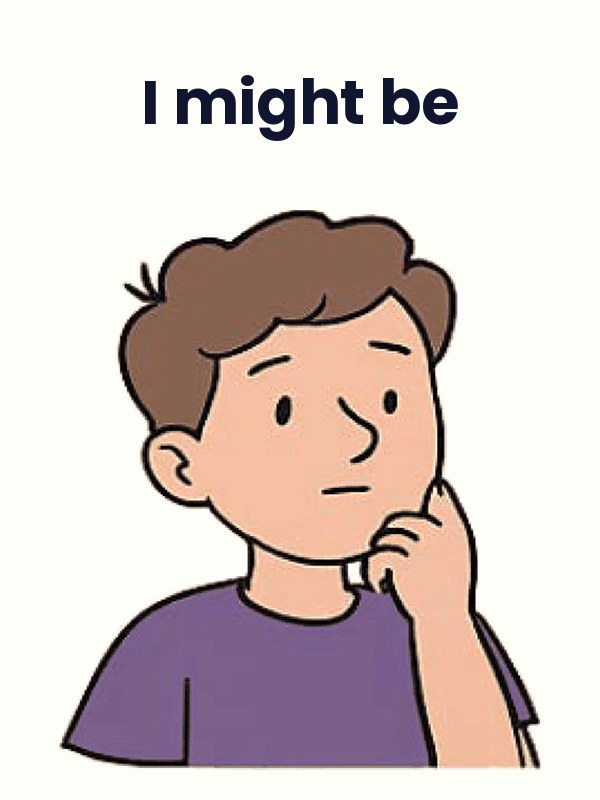
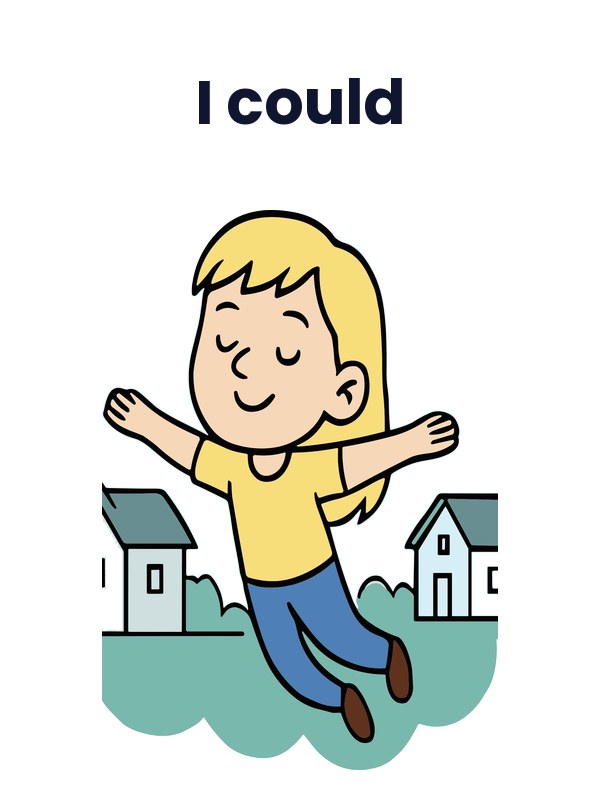
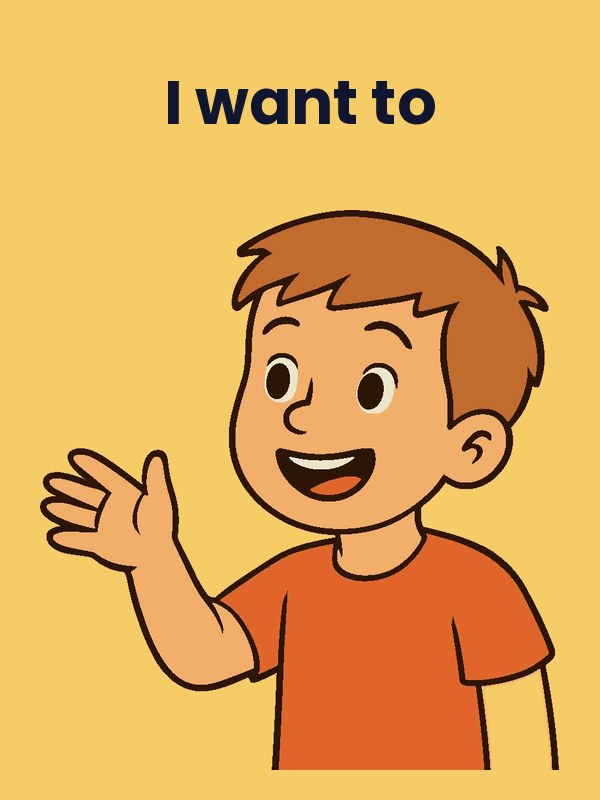
Many children feel they must either refuse or promise. The ladder gives them the honest middle: “I might”, “I could”, “I want to”. When “I might” is a welcome answer, there is less reason to dig in or shut down.
The pathways · Pathway two
The pathway to being understood“I might be.” “I could.” “I want to.” “I will.” Small words like these carry a great deal. They let a child say how ready they feel, ask clearly for what they need, and be met with the response they are hoping for.
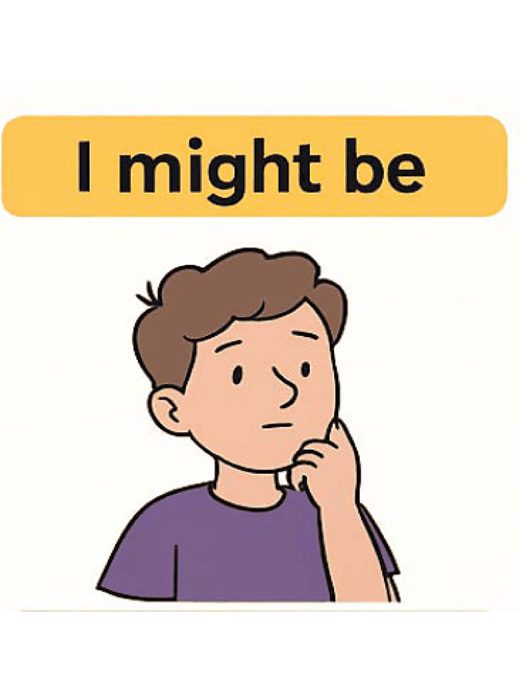
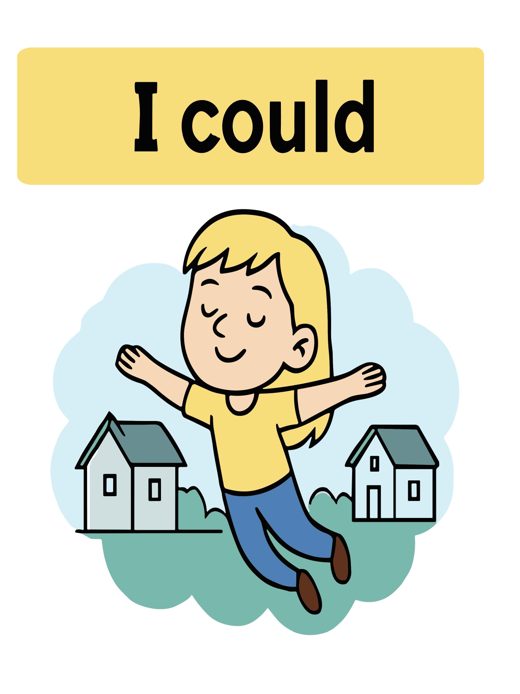
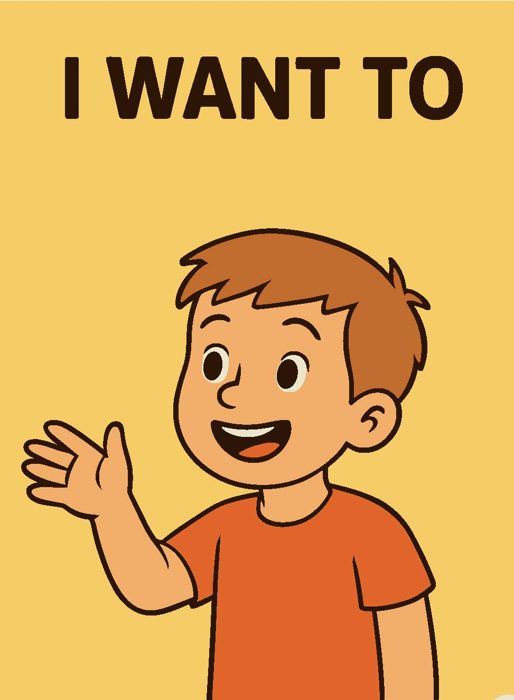
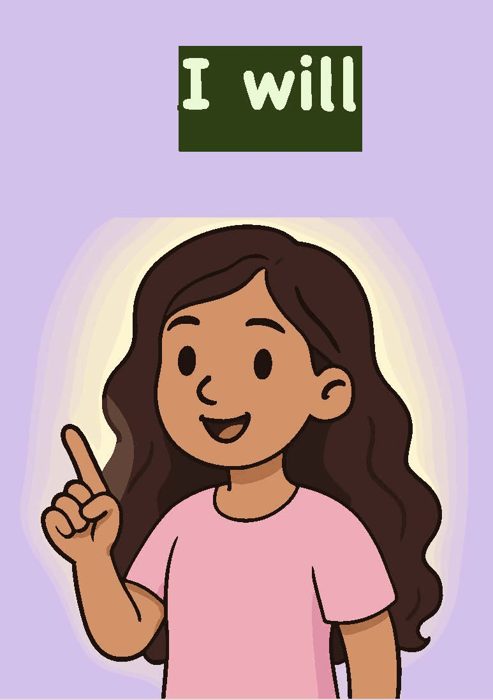
Every rung of the ladder is a good place to begin.
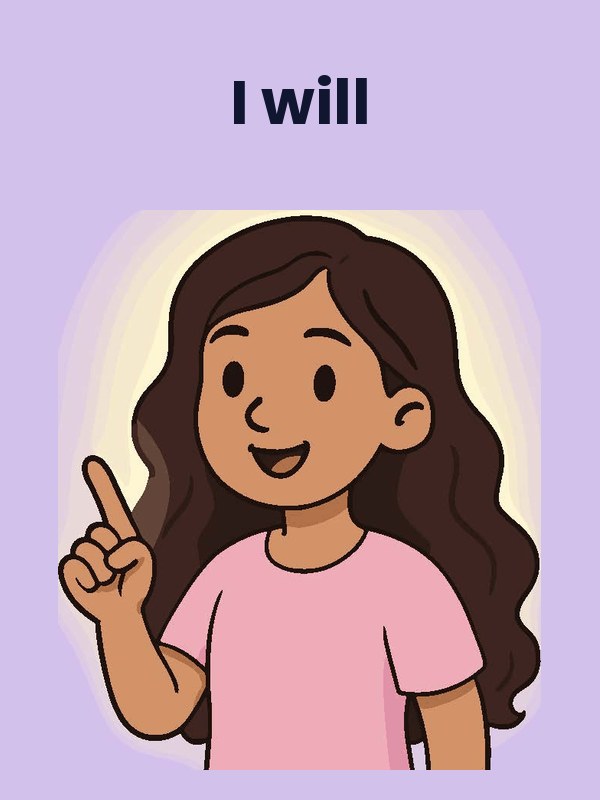
These small words are modal verbs. They show how able, willing or ready we feel, which is exactly what a child often needs to say and finds hardest to put into words.
And the rest of the set
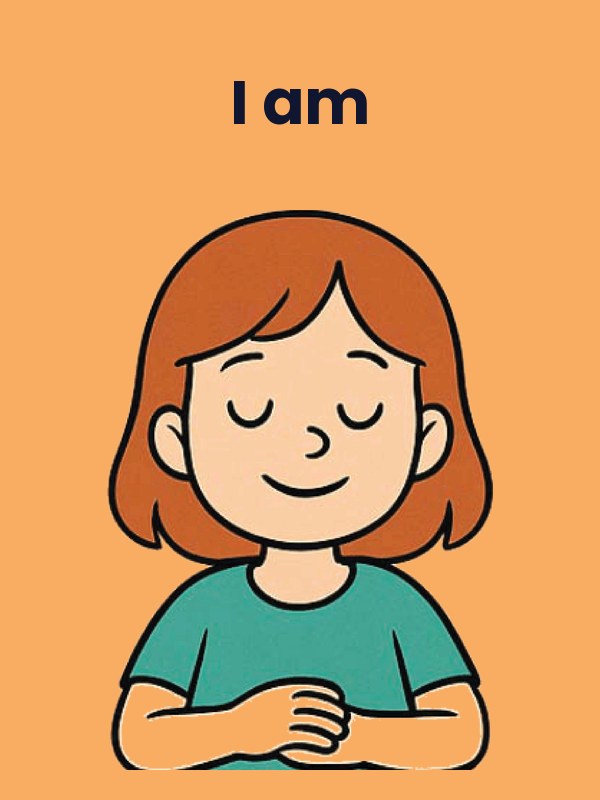
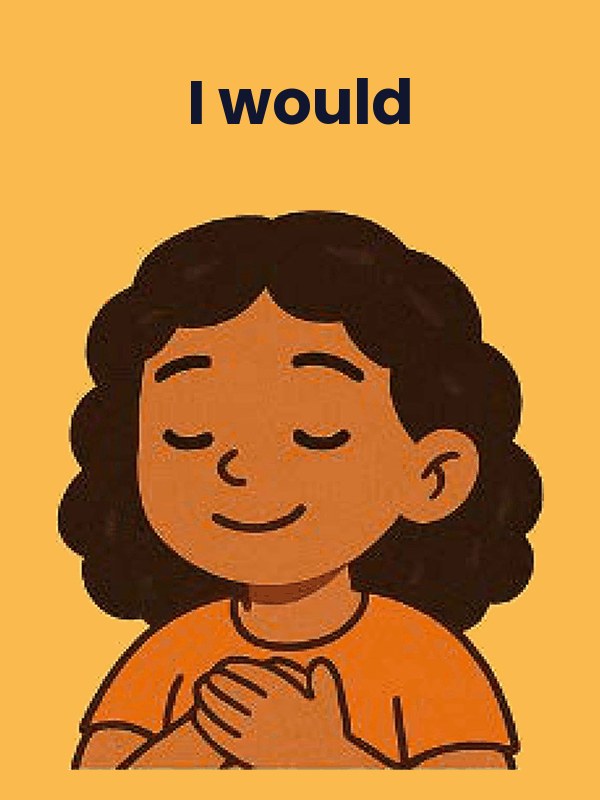
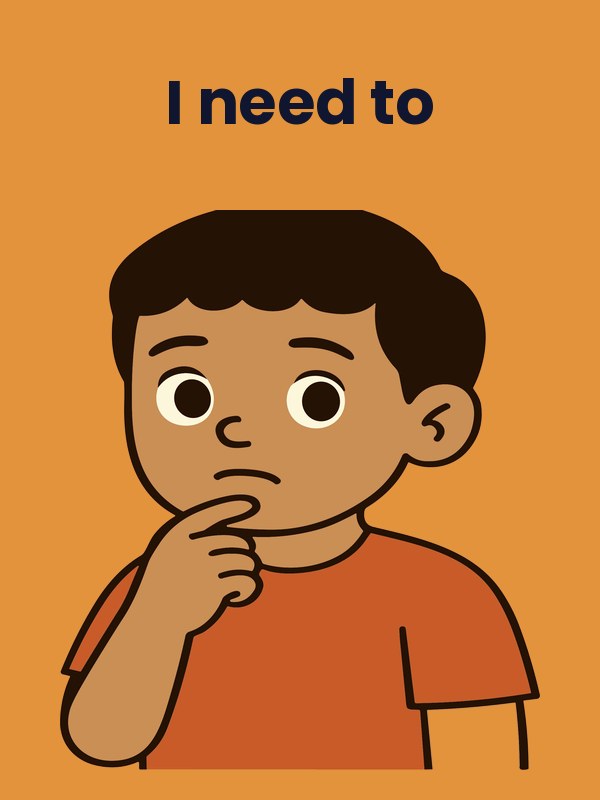
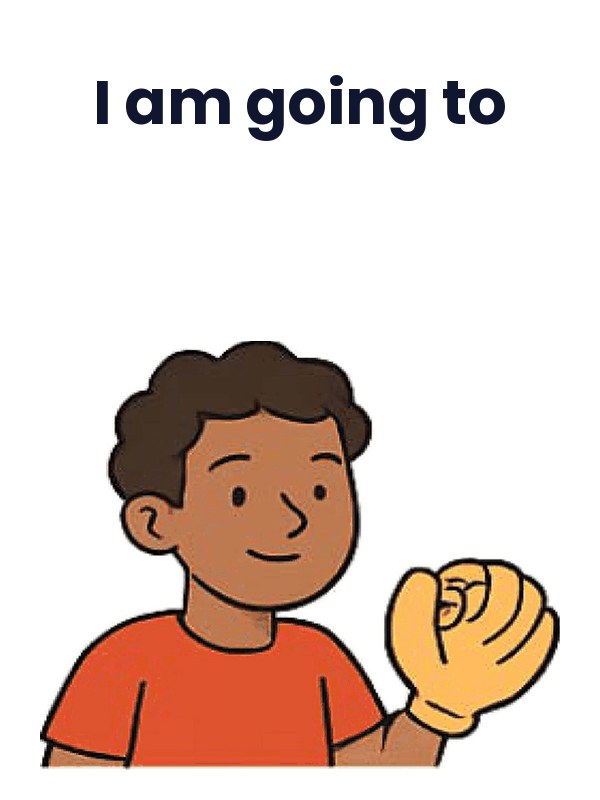
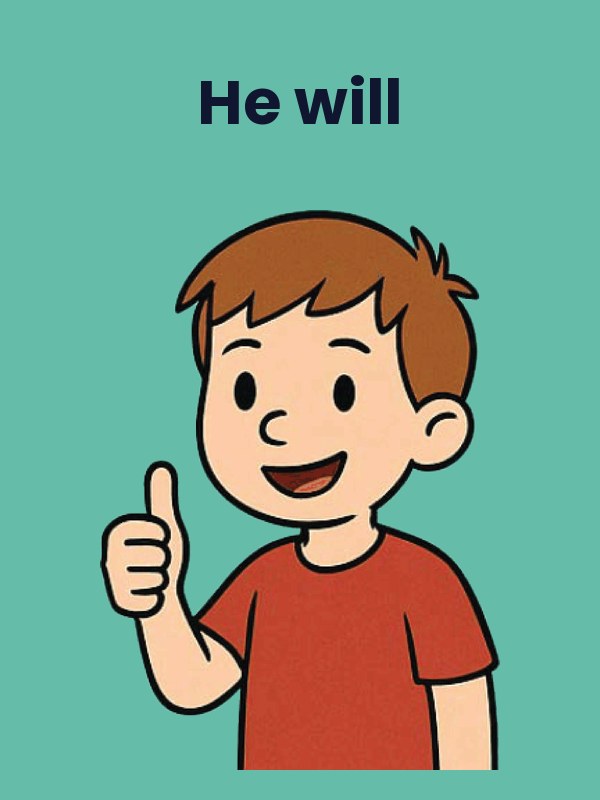
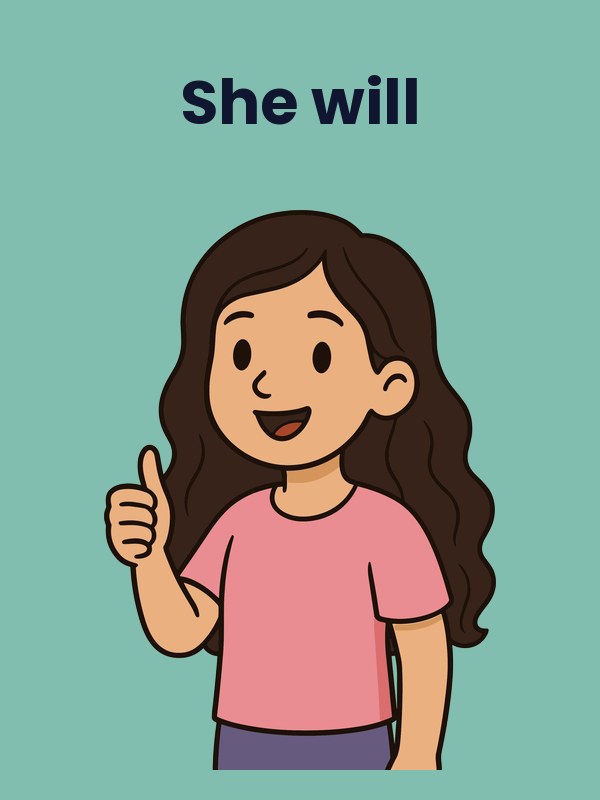
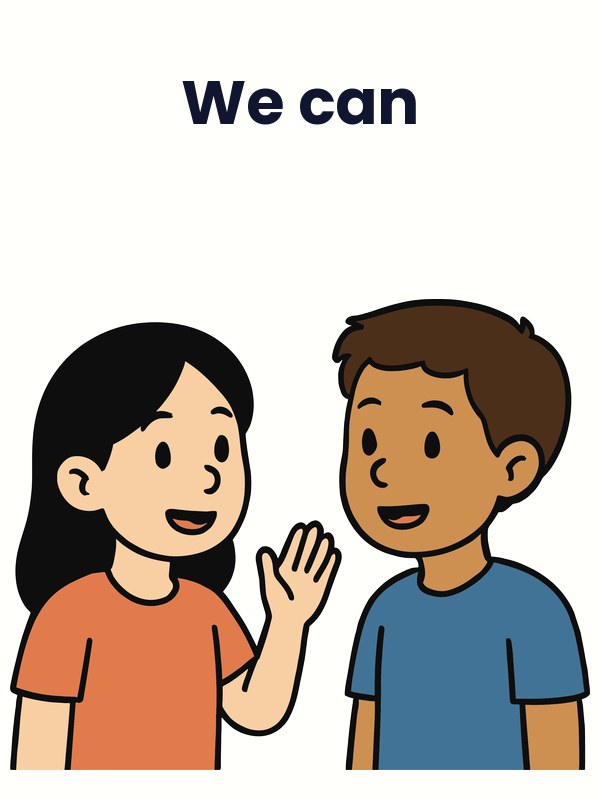
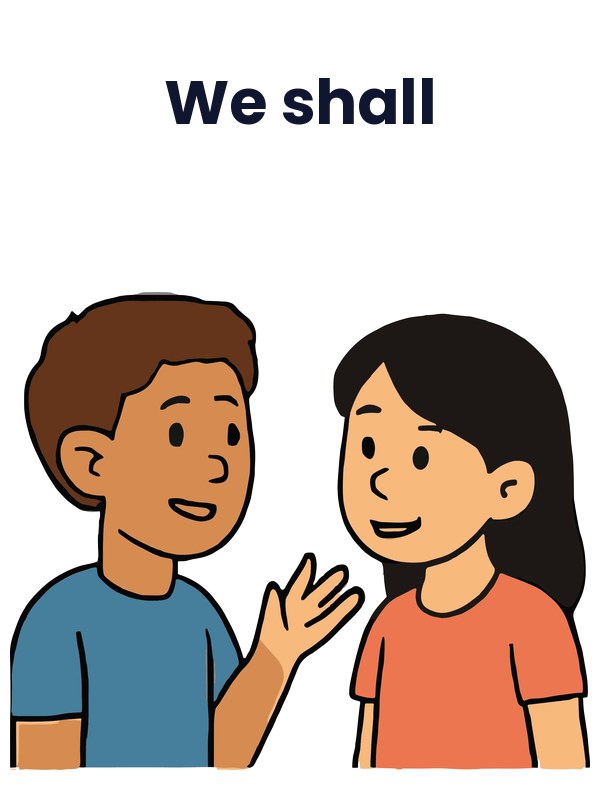
Many children feel they must either refuse or promise. The ladder gives them the honest middle: “I might”, “I could”, “I want to”. When “I might” is a welcome answer, there is less reason to dig in or shut down.
“I need to take a break.” “Can we do it together?” A child who already has the beginning of a sentence is better able to ask for what they need. A clear request is easier for an adult to hear, and easier to answer kindly.
How we begin shapes how others reply. “I would like a turn” invites a very different answer from “Give it to me.” Practising gentle, clear beginnings helps a child reach the outcome they want and be treated with respect.
“I will” and “We shall” turn an action into a commitment the child made for themselves. Keeping a small promise of their own is a quiet, real source of confidence, because the choice and the success both belong to them.
Nobody fails the ladder. “I might be” is not a lower mark than “I will”. It is honest information about where a child is today.
As a virtue becomes familiar, a child can move up the ladder in their own time, because they feel ready rather than because they were told to. The starters return in step nine of every arc workbook.
A ladder of beginnings, so every child has a way to start a sentence about what they need and what they will do.
Sentence starters that help a young person aged 12 to 18 ask for what they need, written in language and scenarios for secondary students.
The cards ask how ready a child feels, never what is wrong.
Every starter is universal and everyday. Nothing private is asked of any child.
Character Arc is available to schools and to families. Choose the way that suits you, and Shree will be in touch personally.
Bring the pathways into your classrooms with one shared language for calm, clear words, character, feelings and connection.
A private membership to the Character Arc website for families who want to follow the pathways at home, at their child’s own pace.