A point is enough
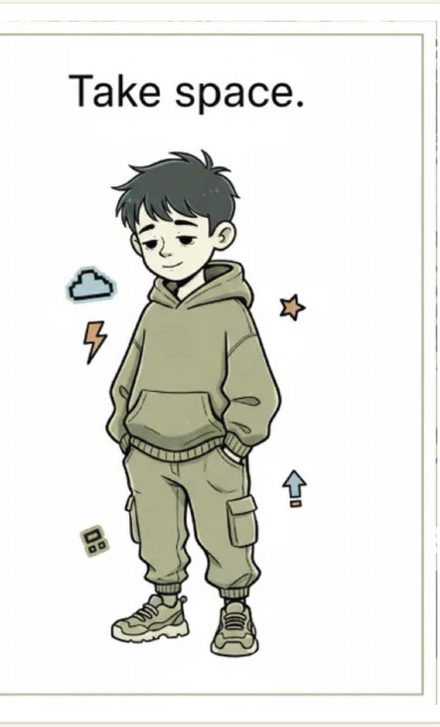
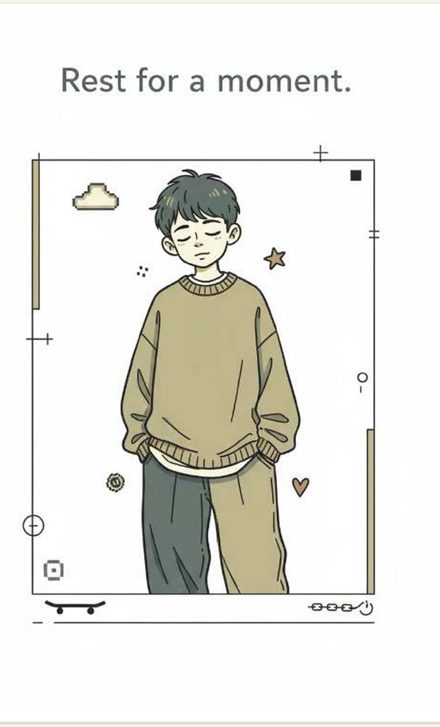
An upset child is often asked to explain what is wrong at the very moment explaining is hardest. With PILA they don’t have to. Touching “Take space” or “Rest for a moment” says it for them. A nod or a point is a complete answer.
When a feeling gets too big, words are the first thing to go. PILA gives a child twenty-two short, gentle phrases to point to instead. They help a child settle, feel safe with you, and see that they still have choices.
An upset child is often asked to explain what is wrong at the very moment explaining is hardest. With PILA they don’t have to. Touching “Take space” or “Rest for a moment” says it for them. A nod or a point is a complete answer.
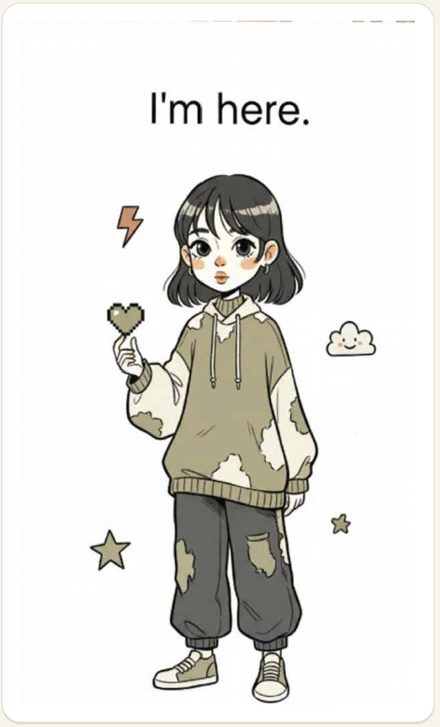
Children learn to settle by being near a settled adult. When you say “I’m here” or “I won’t rush you” in a low, steady voice, your calm becomes something they can lean on. The poster holds that message even when you step away.
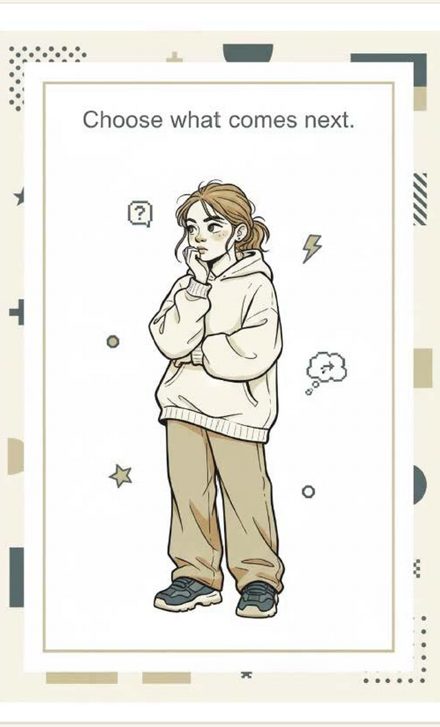
Big feelings can make a child feel that things are happening to them. “Choose what comes next” and “Start when you’re ready” hand some control back. Choosing a card, even between two, is a small decision they make for themselves.
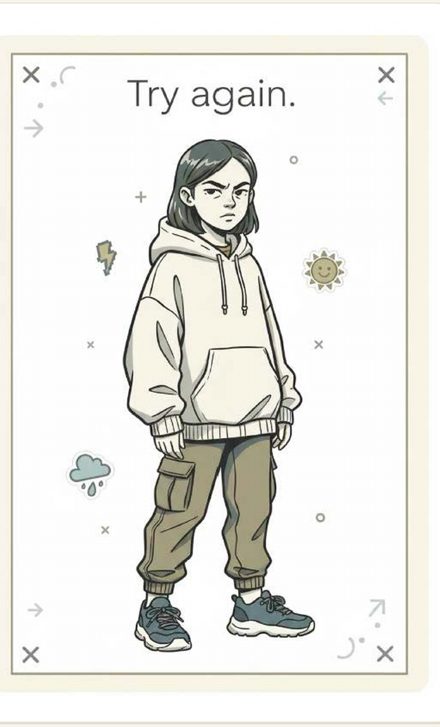
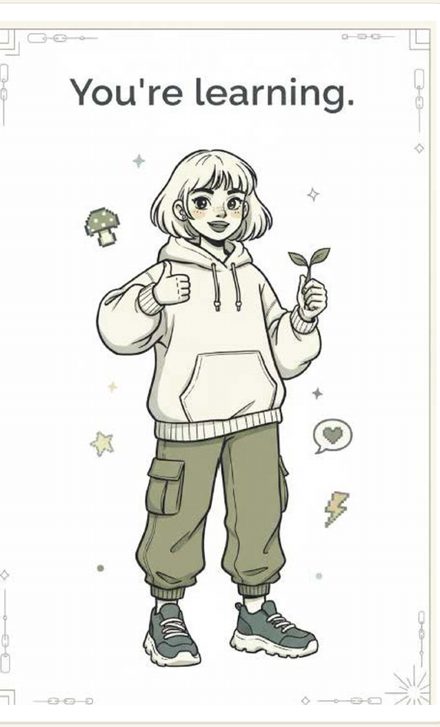
Posters that stay up become part of the room. Day after day, a child sees “You’re learning” and “Try again” and starts to recognise these as things they are able to do. Over time they begin to choose them without being asked.
The purpose of PILA is not to stop feelings. It is to help a child notice that, even inside a big feeling, they have a part to play.
Every time a child reaches for a card, they are doing something important. They notice how they feel, they pause, and they choose. That is self-regulation in its first and simplest form, and the posters let the child see it happening.
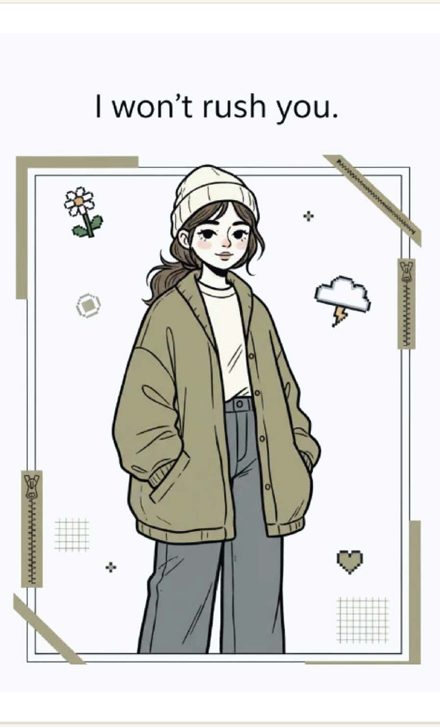
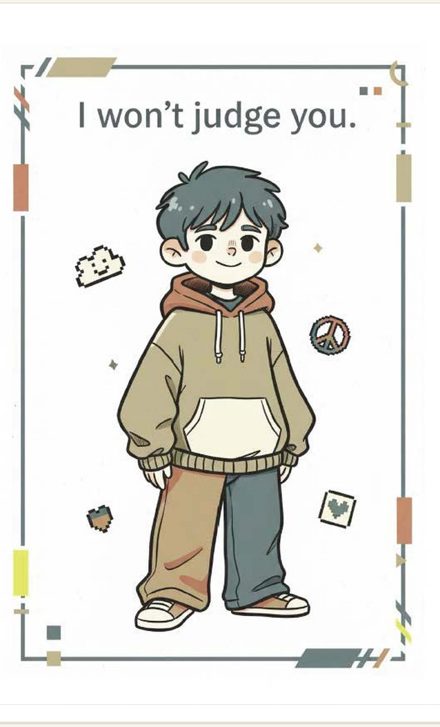
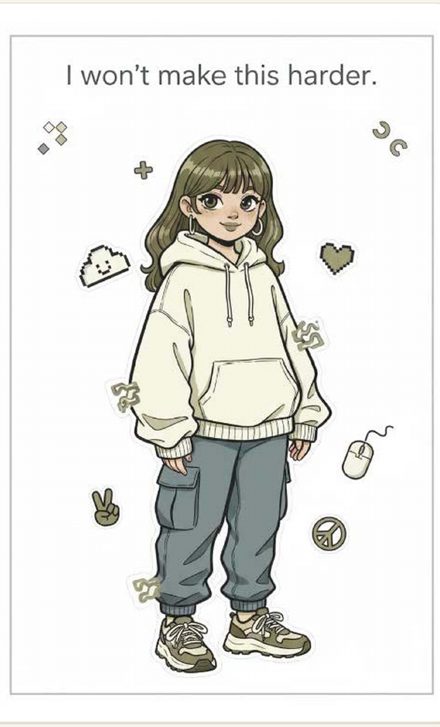
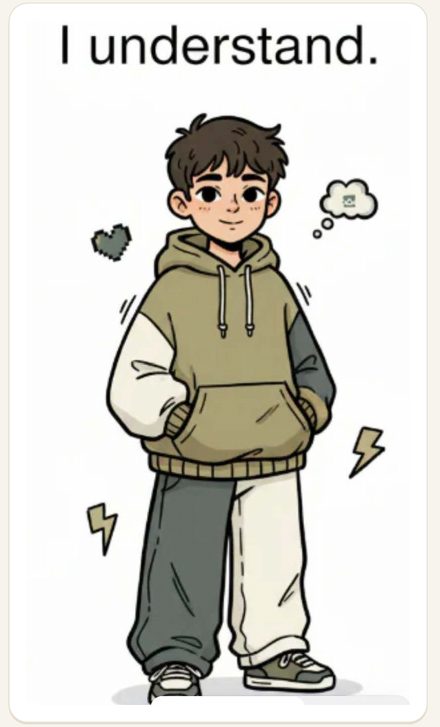
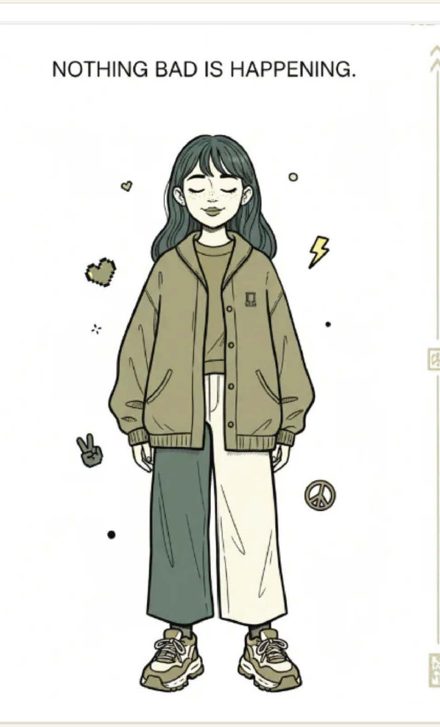
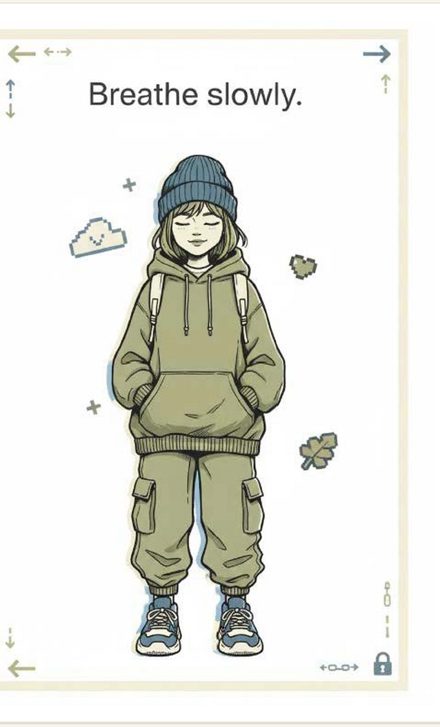
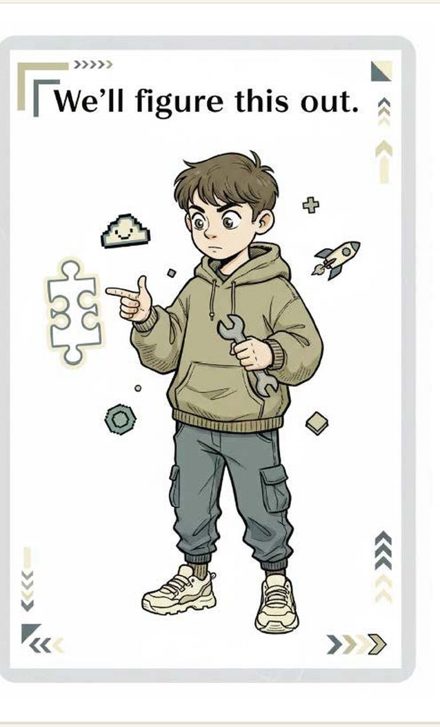
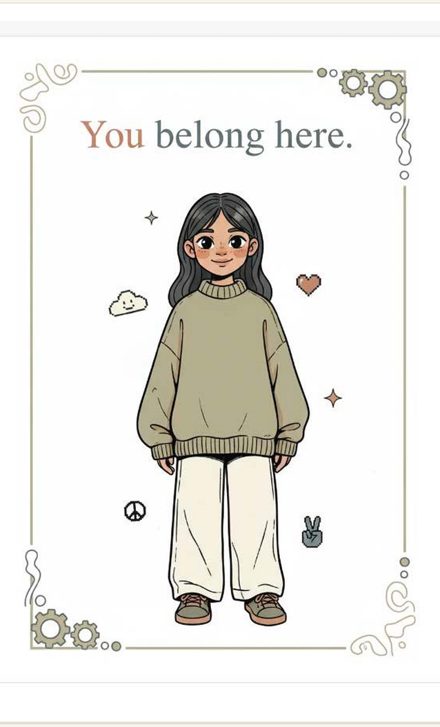
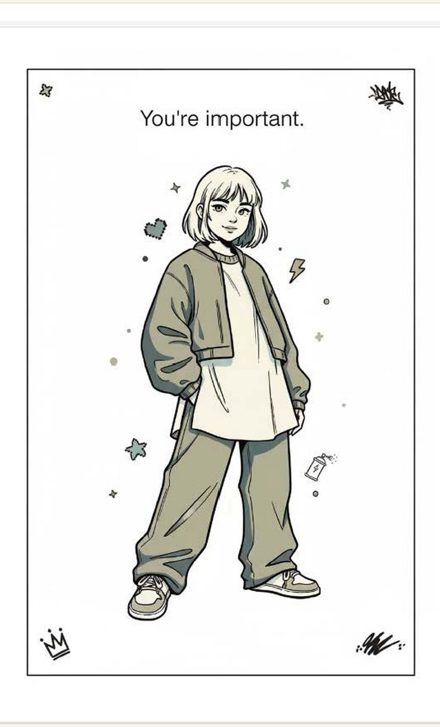
Each poster has its own illustrated child and a single phrase. Every phrase has a matching mini card to keep on a ring or in a small box.
Words that say: you’re safe, and you’re not alone.
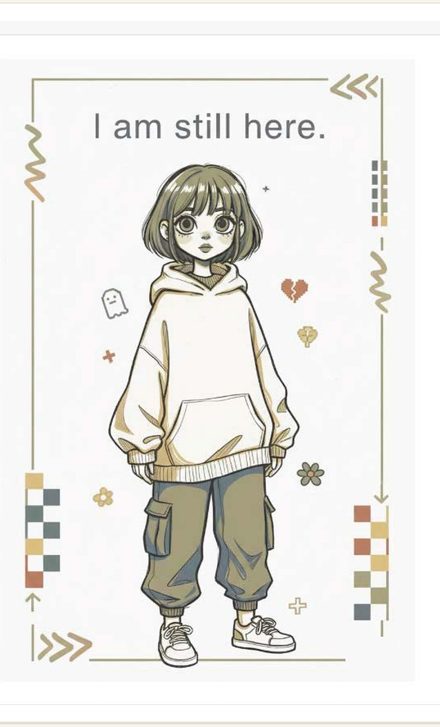
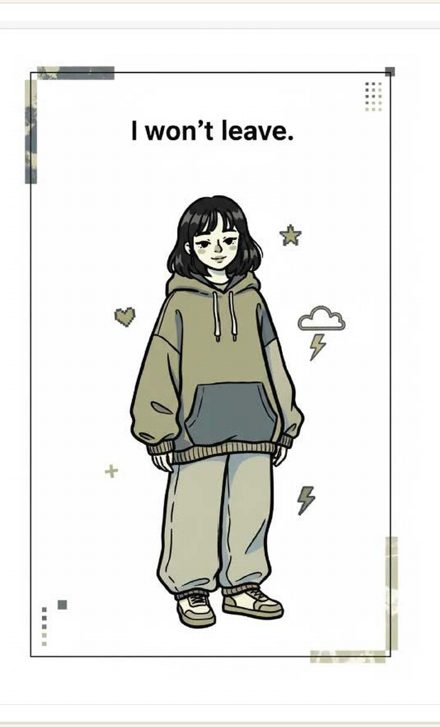
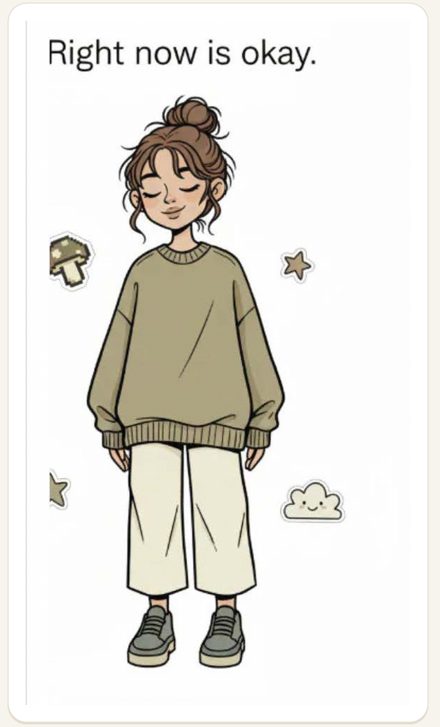
Words that make room for a calm body and a quiet mind.
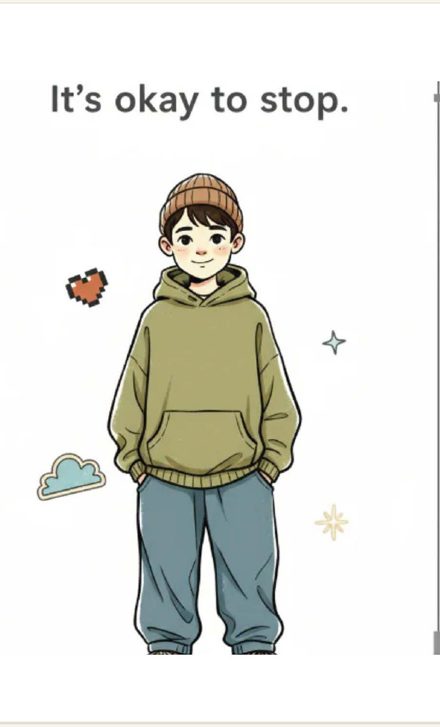
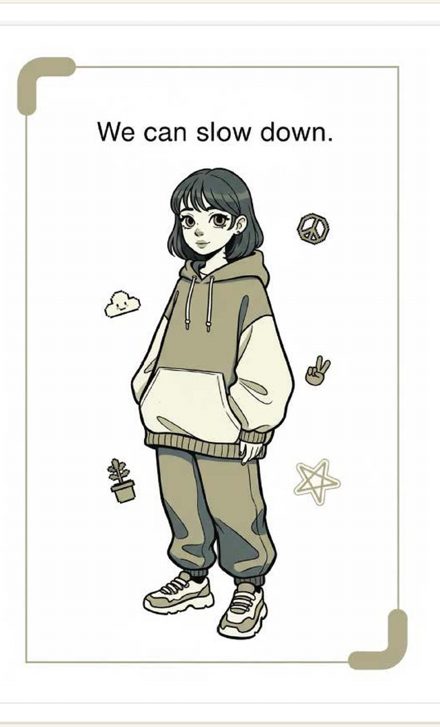
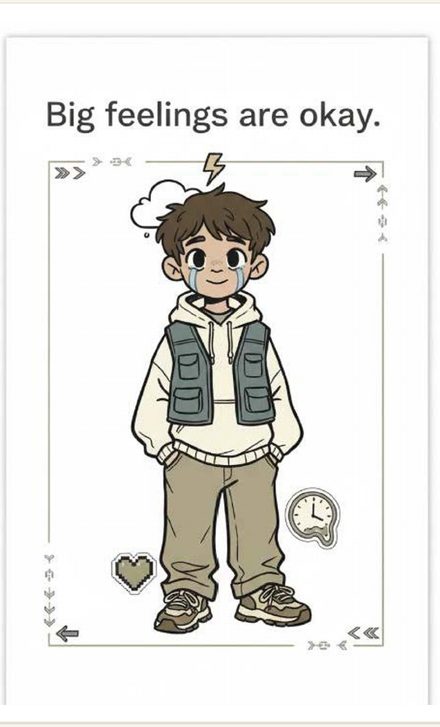
Words that open the way back in, without pressure. These are the phrases that name a child’s own choices.
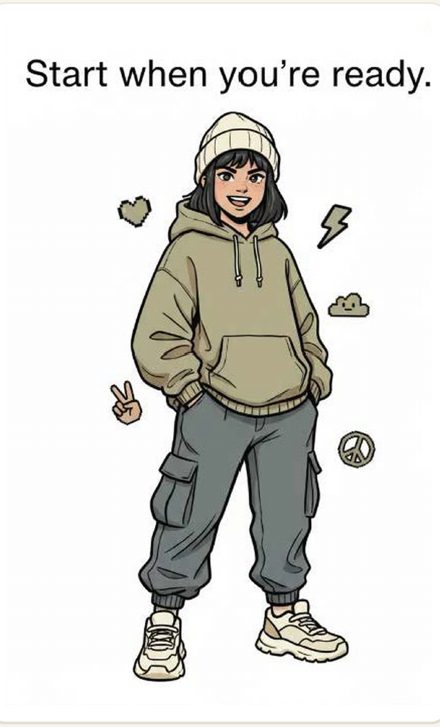
Words that remind every child they belong.
A cushion, a blanket and a low wall are enough. It should feel like somewhere your child wants to be.
Three or four is plenty. Begin with “I’m here” and “Breathe slowly”, and change them as your child’s needs change.
Put them on a ring or in a small box so your child can pick one up quietly, without having to ask.
Offer a card, or two to choose from, and let your child decide. A nod or a point is enough.
“I won’t rush you.” “We can slow down.” When your child hears the phrases from you, they learn what they sound like.
The calm corner is a place to feel better, never a place to be sent. Go there together at first.
The first part of the Early Years Collection, and the foundation for everything that follows. A child who feels safe is ready to learn the arcs.
Includes parent and teacher notes. A version written for older students is planned for the Years 7–12 collection.
A child never has to explain how they feel.
The phrases are universal and gentle. Nothing private is asked of any child. The posters work as a quiet language between a child and the adults who care for them.